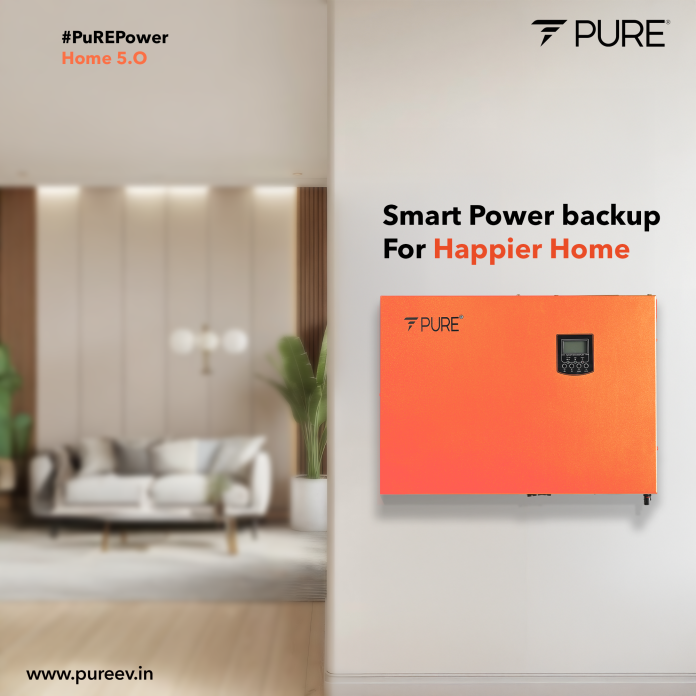
You know that moment when the lights go out and suddenly your whole house feels like it’s been transported back to the 1800s? Yeah, I’ve been there. One minute you’re binging your favorite series or grinding through work on your laptop, and the next, it’s pitch dark, and your Wi-Fi’s gone MIA. That’s when you realize having a reliable power backup battery for home isn’t just a “nice-to-have” — it’s survival.
Now, I’ve tried a few options myself, from the old-school UPS that sounds like a jet engine when it kicks in, to more modern lithium-ion setups. And trust me, not all backup solutions are created equal. Some barely last long enough to save your fridge contents, while others can power your home like a tiny, patient electricity god.
Why You Really Need One
Let’s be honest — power cuts aren’t just annoying, they can mess up your life in ways you don’t immediately notice. Your phone dies, your laptop shuts down mid-project, and your fans? Forget it, you’re basically melting into your chair. But more importantly, think about sensitive devices like fridges, medical equipment, or routers. A sudden outage can fry electronics or spoil food. Investing in a power backup battery for home is kind of like buying insurance you hope you never need, but you’re glad it exists when the time comes.
And it’s not just about emergencies. With more people working from home these days, a sudden blackout can literally cost you money if you can’t meet deadlines. It’s wild how much we depend on electricity now — you could call it a modern-day survival skill.
Types of Batteries and Why They Matter
If you dive online, you’ll find two big categories: lead-acid and lithium-ion. Lead-acid batteries are cheaper and have been around forever — kind of like that vintage car that’s charming but a pain to maintain. They do their job, but you need to check water levels and replace them every few years.
Lithium-ion, on the other hand, is the shiny new kid on the block. They last longer, weigh less, and need almost zero maintenance. Sure, they cost more upfront, but it’s like paying for a coffee subscription that never disappoints — consistent and hassle-free. Personally, if I’m going to invest in something that keeps my home running smoothly, I lean towards lithium-ion.
Sizing Your Backup Right
Here’s a little story: my cousin once bought a battery thinking bigger is always better. Turns out, it was overkill for his apartment, and he ended up paying more than necessary. The key is matching your battery capacity with your needs. Think about how many devices you actually need running during a blackout. Just the essentials? Or everything including AC and microwave? Once you figure that out, you can pick a battery that’s just right — not too puny, not too excessive.
And here’s a fun, kinda niche stat — apparently, most Indian homes only use 40-50% of the backup battery capacity they buy. Yeah, that’s a lot of money sitting there doing nothing while your actual needs are smaller. Sizing smart saves money and energy.
Installation and Maintenance – Don’t Skip This
Installing a backup battery isn’t exactly rocket science, but doing it wrong can be a headache. Always check if your provider offers professional installation, and yes, I know it’s tempting to DIY, but trust me, a botched setup can void warranties or worse.
Maintenance depends on the type of battery you choose. Lead-acid batteries need a little TLC — check water levels and clean terminals occasionally. Lithium-ion? Practically a “set it and forget it” situation. Either way, a little care goes a long way in keeping your power backup reliable.
Social Media Trends: People Are Talking
Scrolling through Twitter or Reddit, you’ll notice a lot of chatter about power backup batteries, especially in cities with erratic supply. Some folks are swearing by lithium-ion for their long lifespan, while others are nostalgic about trusty lead-acid models that just won’t quit. Online reviews can be super helpful — but also take them with a grain of salt, because you’ll see everything from genuine advice to someone just mad their battery didn’t survive their DIY experiment.
Final Thoughts: Don’t Wait Until the Lights Go Out
Honestly, picking a power backup battery for home isn’t rocket science, but it does need a bit of thought. Think about your needs, your space, and yes, your budget. Trust me, nothing beats the peace of mind that comes with knowing your home won’t descend into chaos during the next blackout.
