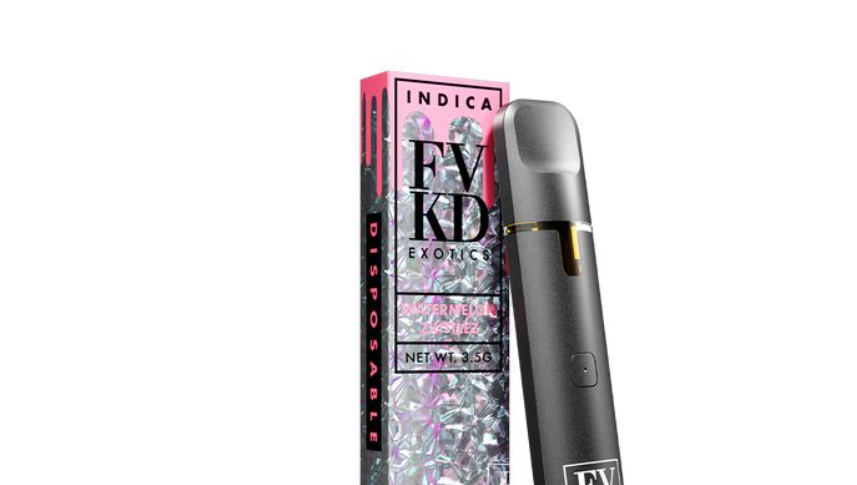
Fruit and candy-inspired names have become familiar throughout cannabis branding. References to watermelon, tropical fruit, and sweet treats create memorable product identities, but they do not tell the whole story about a product’s composition. Understanding the distinction between flavor language and verified information helps consumers evaluate descriptions more carefully. By examining ingredient lists, cannabinoid measurements, and available laboratory reports, adults can make more informed comparisons while recognizing that a catchy name cannot guarantee a particular aroma, potency, or experience.
Why Fruit and Candy Names Stand Out
A product name can shape expectations before someone reads the label. Words associated with summer fruit may suggest freshness, while candy-inspired terminology may communicate a sweeter sensory identity.
The phrase fvkd watermelon zkittlez illustrates this naming approach by combining a familiar fruit reference with candy-inspired language. However, the name alone cannot establish the product’s actual ingredients, terpene profile, cannabinoid concentration, or expected effects.
The Role of Sensory Associations
Branding often relies on familiar words to communicate an intended personality. Watermelon may evoke a juicy, sweet aroma, while candy terminology may suggest a sugary or fruit-blend association.
These descriptions can help distinguish products, but they are not standardized scientific measurements. Two products with similar names may have different formulations, and individual consumers may perceive the same aroma differently.
A careful evaluation therefore separates a product’s descriptive identity from the information that can be verified through labels and supporting documentation.
Understanding Terpenes and Flavor Descriptions
Terpenes are naturally occurring compounds found in many plants, including cannabis. They contribute to the aromas of citrus fruits, flowers, herbs, and other botanical materials.
Limonene, for example, is commonly associated with citrus-like aromas, while pinene is associated with pine-like notes. Other compounds can contribute to more complex sensory profiles.
However, a fruit-inspired name does not confirm which terpenes are present or their concentrations. Product composition depends on the source material, processing methods, and final formulation.
Why Aroma Does Not Guarantee Effects
Flavor and aroma descriptions should not be confused with claims about how a product will affect someone. A sweet or fruity profile does not establish that a product will produce a particular mood, level of energy, or therapeutic outcome.
Cannabinoid content, individual sensitivity, and other factors can influence responses to cannabis products. Marketing language cannot reliably predict an individual’s experience.
Laboratory documentation may provide useful information about measured compounds, but it should be interpreted according to the tests performed and their limitations.
What the Name Space Cake Communicates
Dessert-inspired names are another common branding approach. The phrase Space Cake combines a familiar food reference with imaginative language, creating a memorable identity.
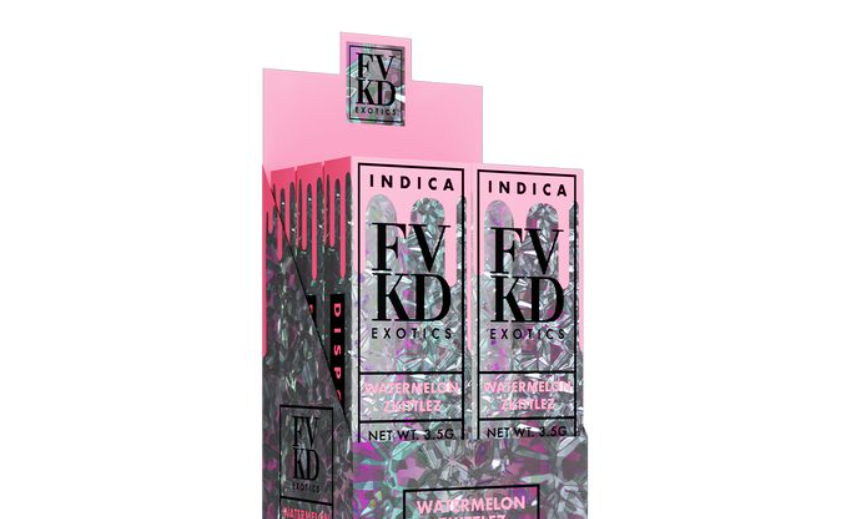
The name fvkd space cake follows this broader naming style. It can be discussed as a product identifier, but the name alone does not verify ingredients, chemical composition, potency, or effects.
Comparing Names With Product Information
Products may share similar naming conventions while differing substantially in formulation or format. For instance, a flower product and a concentrate can have different characteristics even if both use dessert-inspired terminology.
When reviewing a product description, consider whether it distinguishes sensory associations from measurable information. Specific claims about cannabinoid levels should be supported by appropriate documentation rather than inferred from the name.
This approach makes product comparisons more objective and helps prevent assumptions based on branding alone.
How to Read Cannabis Product Labels
Labels provide a practical starting point for understanding a product’s stated contents and handling requirements. Depending on the product and applicable regulations, information may include ingredients, cannabinoid concentrations, manufacturer details, batch identification, and safety warnings.
When comparing fruit-inspired or dessert-inspired products, review the individual label instead of assuming similar names mean similar compositions.
Use this checklist:
- Ingredients: Identify the stated formulation and any additional ingredients.
- Cannabinoid content: Check THC, CBD, or other reported cannabinoids where applicable.
- Batch identification: Look for information connecting the product to relevant documentation.
- Laboratory reports: Check which compounds and contaminants were tested.
- Storage instructions: Follow the manufacturer’s guidance.
- Legal restrictions: Verify applicable age and purchasing requirements.
If a product description does not answer an important question, ask the manufacturer or seller for clarification.
What Laboratory Testing Can and Cannot Tell You
A certificate of analysis, or COA, may report cannabinoid measurements and screening results for selected contaminants. Its usefulness depends on the laboratory’s credibility, the testing scope, and whether the report corresponds to the product or batch under consideration.
Not every report covers every potential contaminant. Consumers should examine the actual testing panel and results instead of relying on a general statement that a product is laboratory tested.
Even a favorable report cannot establish that vaping or inhaling cannabis is harmless. Testing is one component of product evaluation, not a guarantee of overall safety.
Responsible Evaluation of Cannabis Products
Product names can make items memorable, but responsible evaluation requires attention to more practical details. Adults should consider formulation, potency, available testing, storage instructions, and local laws.
Cannabis products may carry health risks. THC can affect attention, memory, coordination, and judgment, and individual responses vary. Do not drive or operate machinery while impaired, and store products securely away from children and pets.
People who are pregnant or breastfeeding, have relevant medical conditions, or take medications that may interact with cannabinoids should consult a qualified healthcare professional before considering cannabis-derived products.
Conclusion
Fruit and candy-inspired names help establish a memorable product identity, but they do not independently confirm ingredients, terpene concentrations, potency, or effects. FVKD Exotics products should be assessed through clear labeling, relevant laboratory documentation, and manufacturer information. Separating sensory descriptions from verifiable facts helps adults compare products more objectively. Responsible evaluation also means considering health risks, following storage instructions, and complying with applicable laws rather than relying on branding or flavor terminology alone.
Disclaimer: For adults 21+ only, where legally permitted. Cannabis products may carry health risks. This article is informational only and is not medical or legal advice.
