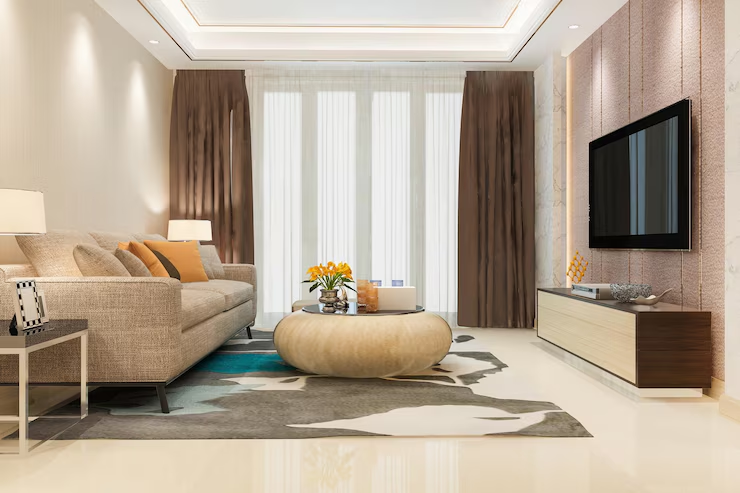
A home’s living room is frequently its centre, where family congregate, visitors are entertained, and daily activities take place. Its design should be both practical and visually beautiful because it serves a variety of functions, including socialising and relaxing. It takes a combination of imagination, pragmatism, and taste to create the ideal living room interior design.
We go over important concepts, design trends, furniture selections, colour palettes, lighting options, and décor ideas in this extensive guide to help you turn your living space into a haven that captures your individuality and way of life.
1. Recognising Your Living Room’s Function
It’s important to know how you plan to use your living space before getting into the specifics of the design. Is it a multipurpose place that doubles as a workspace or a play area, or is it mostly used for family relaxing or entertaining guests? Decisions about furniture, accessories, and layout will be influenced by this clarity.
2. Selecting the Appropriate Design
The layout serves as the foundation for the design of your living space. Typical layouts consist of:
Open Concept Layout: Perfect for contemporary homes, where the dining area or kitchen flows naturally from the living room.
A balanced arrangement with matching couches or chairs facing one another is called a symmetrical layout.
An asymmetrical layout with a variety of furniture pieces is more lively and informal.
Zoning: Using furniture or rugs to create distinct spaces for reading, entertainment, and relaxation.
A well-designed layout maximises available space and enhances movement, creating a comfortable and useful area.
3. Choosing a Look That Appealed to You
Interior design styles for living rooms might be minimalist, eclectic, or conventional. Among the popular styles are:
Modern: Sleek furniture, muted hues, and clean lines.
Scandinavian: Cosy textures, organic materials, and light hues.
Bohemian: Vibrant hues, layered materials, and bold patterns.
Industrial: Metal accents, exposed brick, and raw materials.
Classic: Symmetrical layouts, luxurious textiles, and tasteful furnishings.
Choose a style, or combination of styles, that suits the overall aesthetic of your house and speaks to your personality.
4. Selecting the Ideal Shade Palette colour affects environment and mood. For living rooms, think about:
Whites, beiges, and greys are examples of neutral palettes that provide a serene and adaptable background.
Bold Colours: For a striking effect, use deep blues, greens, or reds.
Pastels: Gentle greens, blues, and pinks for a feeling of lightness and airiness.
Accent Walls: One wall that has been painted or covered with wallpaper to serve as a main attraction.
Prior to committing, test paint samples in natural light and match colours to furnishings and décor.
5. Furniture: Finding a Balance Between Comfort and Design
The choice of furniture is quite important. Invest on items that are stylish and comfortable:
Sectionals and sofas: Select sizes according to the size of the space and the number of seats you require. Think on the comfort and durability of the cloth.
Chairs: Accent chairs offer additional seating and flair.
Coffee tables: Decorative and practical, made of metal, glass, or wood.
Storage: To keep things organised, use cabinets, shelves, or ottomans with concealed storage.
Make sure the furniture scale is appropriate for the space and allow plenty room for mobility.
6. Living Room Flooring Options
Flooring affects the appearance and feel of the space:
Hardwood floors are traditional, enduring, and cosy.
Rugs and carpets can define areas and provide comfort; take into account textures and patterns.
Laminate and tiles are easy to clean and work well in warmer areas.
Area Rugs: Provide colour or texture while stabilising seating arrangements.
Rug layering can create cosiness and depth.
7. Lighting: Using Layers to Create Ambience and Use
Lighting has a functional and aesthetic purpose. Employ a combination of:
Ambient lighting includes recessed lighting and chandeliers.
Task Lighting: Table and floor lighting for hobbies or reading.
Accent lighting can be used to draw attention to architectural details or artwork using wall sconces, LED strips, or spotlights.
Natural Light: Make the most of your windows by using light blinds or curtains.
Brightness and mood can be changed with smart lighting controls.
8. Wall Décor & Treatments Walls offer an artistic canvas:
Paint and wallpaper: from delicate hues to striking designs.
Art and Photos: Add gallery walls or framed items to make them uniquely yours.
Shelving: Books, plants, and collectibles can all be kept on floating shelves.
Mirrors: Give the appearance of more space by reflecting light.
To conserve floor space, think about mounting a display or storage on the wall.
9. Including Soft Furnishings and Textiles
Warmth and individuality are added by textiles:
Combine different textures, colours, and patterns for cushions and throws.
Drapes and curtains: reduce light and soften windows.
Upholstery: For visual interest, match or contrast with the furniture.
A warm and welcoming ambience is produced by layering textiles.
10. Adding Plants to Your Living Space
Indoor plants add vitality and freshness. Select:
Big Statement Plants: such as palms or fiddle leaf figs.
Potted little plants for tables and shelves.
Plants can be hung to conserve floor space.
In addition to adding a soothing natural aspect, plants enhance the quality of the air.
11. Designing a Living Room with Technology Integration
Technology is frequently included into contemporary living rooms:
TV Location: Use media consoles or wall-mount the device.
Sound systems: Speakers that are integrated for a rich experience.
Smart home appliances: regulate the entertainment, temperature, and lighting.
For a clutter-free appearance, conceal cords and electronics.
12. Establishing the Main Point
The room is anchored by a focal point:
Fireplace: A traditional and comfortable focal point.
Mirror or artwork: Sets the mood and attracts attention.
Bold sofas and armchairs are examples of statement furniture.
Architectural elements include textured walls or exposed beams.
To achieve balance, plan the arrangement around the main feature.
13. Making the Most of Compact Living Spaces
Smart design is necessary in small places.
Make use of multipurpose furniture, such as storage ottomans or sofa beds.
To promote openness, use mirrors and light colours.
Avoid clutter and maintain a simple décor.
Floor space is freed up by vertical storage.
Small spaces may feel roomy and cosy with thoughtful arrangements.
14. Eco-Friendly and Sustainable Interior Design
Eco-friendly decisions are becoming more and more crucial:
Make use of furniture made from reclaimed or responsibly sourced wood.
Select low-VOC paints.
Use organic fabrics and natural fibres.
Make the switch to energy-efficient lighting.
Living places with sustainable design are healthier and better for the environment.
15. Setting a Budget for Remodelling Your Living Room
Prior to beginning your design project, establish a reasonable budget:
Set aside money for essentials like lighting and couches.
Seek for ideas for décor that are affordable.
Do-it-yourself projects can save money and add unique touches.
Think about antique or second-hand furnishings.
To keep the project on schedule, budget for unforeseen costs.
16. Customising Your Living Area
Your tale should be told in your living room:
Showcase collections or mementoes from your trip.
Make use of heirlooms and pictures.
Include your favourite hues and fashions.
Combine vintage and modern items.
A customised area seems special and inviting.
17. Flexibility and Seasonal Updates
Seasons can change how living rooms look:
Replace throws and pillows with ones made of lighter or warmer materials.
To create diverse moods, switch up the curtains or carpets.
Decorate with candles, flowers, or artwork to reflect the season.
All year long, the area remains fresh thanks to its adaptable architecture.
18. Typical Errors to Steer Clear of
Steer clear of these pitfalls:
stuffing furniture together.
disregarding proportion and scale.
Bad lighting decisions.
sacrificing comfort for fashion.
not organising storage.
Careful preparation avoids expensive errors.
19. DIY vs. Working with Professionals
Choose between doing it yourself or hiring interior designers:
Professionals manage projects, save time, and provide expertise.
DIY enables both personal engagement and budget control.
Hybrid strategy: plan with experts and do easy things on your own.
To make a decision, consider your time, money, and skill set.
20. Concluding Remarks: Creating a Living Space You’ll Adore
Interior design for a living room is a creative, practical, and expressive adventure. You can design a living room that is both aesthetically pleasing and functional with careful planning, close attention to detail, and an emphasis on comfort. Your living room should ultimately be a place where you feel comfortable, regardless of your preference for warm classic design or sleek modern minimalism.
