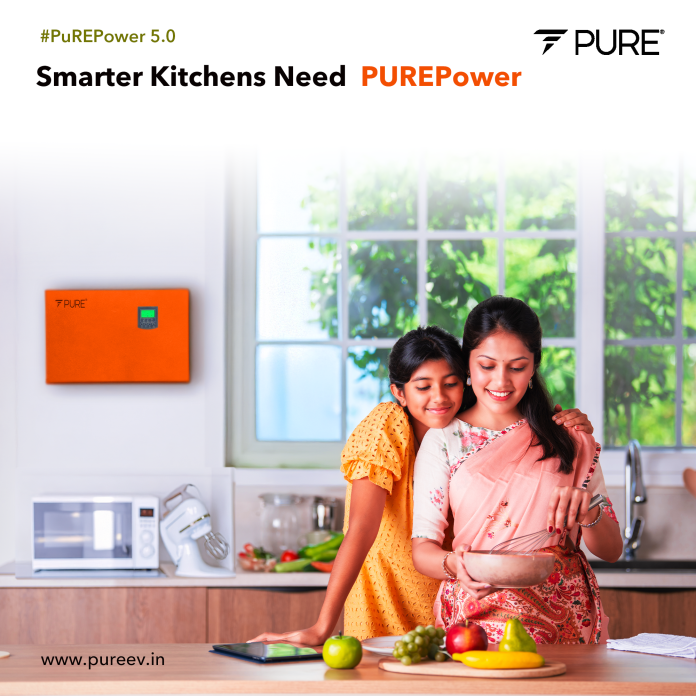
The Modern-Day Lifesaver: Power Backup Solutions for Home
Ever been right in the middle of binge-watching your favorite show, or worse, halfway through paying bills online, and bam!—the lights go out? Yeah, not fun. Honestly, blackout moments like these are the universe’s way of reminding us how much we rely on electricity. And that’s where Power Backup solutions for home slide in like a superhero without a cape.
Not Just About Comfort—It’s Survival
Look, I get it. Some people think power backups are extra or only for the paranoid types. But imagine this: it’s monsoon season, the rain’s pounding like it’s auditioning for a music video, and your neighborhood goes dark. No fridge, no Wi-Fi, and your phone’s battery is on 2%. Suddenly, that UPS or inverter sitting in the corner looks like a tiny, glowing savior.
From my own chaotic experience I once had to keep my laptop on my car’s battery during a storm, don’t ask, I realized these solutions aren’t luxury—they’re basically insurance for your sanity.
Picking the Right Backup Without Losing Your Mind
Here’s where it gets tricky. There’s a whole buffet of options out there: inverters, UPS systems, generators, even solar hybrid setups. Honestly, I spent a week reading reviews online, scrolling Reddit threads, and watching YouTube demos just to figure out what would actually work in my apartment. My takeaway?
- Inverters are great for short blackouts. Think snack-sized power—fridge, lights, maybe a fan.
- UPS systems are more like your emergency chocolate stash. Perfect for PCs or sensitive electronics; keeps your devices alive for a couple of hours.
- Generators are the full-on, I’m prepared for the apocalypse kind. They can power an entire house, but boy, the maintenance and noise are real.
- Solar backup solutions are like that cool friend who’s also eco-friendly. They cost more upfront, but long-term? Totally worth it.
Honestly, I ended up going with a mix of a solar-friendly inverter and a small UPS. Why? Because you never know when life or your city’s electricity board will throw a curveball.
The Lowdown on Costs
Here’s where people panic: money. Everyone hates thinking about spending thousands on something just in case. But here’s a reality check: losing data, food, or even hours of productivity can easily cost more than the backup solution itself. Plus, modern systems are way more wallet-friendly than a decade ago. Some of the newer inverters and UPS setups even let you monitor power usage from your phone. Fancy, right?
And here’s a fun fact I stumbled on while scrolling Twitter: apparently, power outages in urban India cost households an average of ₹2,000–3,000 per month in lost work, spoiled food, and tech issues. That’s like… almost a full Netflix subscription gone every month. Makes that backup solution look pretty reasonable, huh?
Installation & Maintenance Don’t Skip This Part
Pro tip: don’t buy a system and just shove it in a corner. Check voltage compatibility, battery capacity, and yes, occasionally dust it off. Some of my friends swear by professional installation, others DIY it and live to tell the tale. Either way, a little maintenance goes a long way.
Wrapping Up But Not Really
Power backup solutions for home aren’t just about convenience—they’re about peace of mind. They’re the unsung heroes keeping your fridge cold, your work safe, and your Netflix binges uninterrupted. If you haven’t thought about getting one yet, maybe start browsing Power Backup solutions for home. Trust me, your future self—especially during the next blackout—will thank you.
