The day I stopped trusting the switch
I still remember this one evening, mid-summer, fan running at full speed, phone at 12%, and of course… power cut. The inverter beeped like it was offended, then died after 20 minutes. That’s when it hit me — we spend so much money on TVs, ACs, Wi-Fi, even smart bulbs, but treat power backup like some optional accessory. Kind of ironic, honestly.
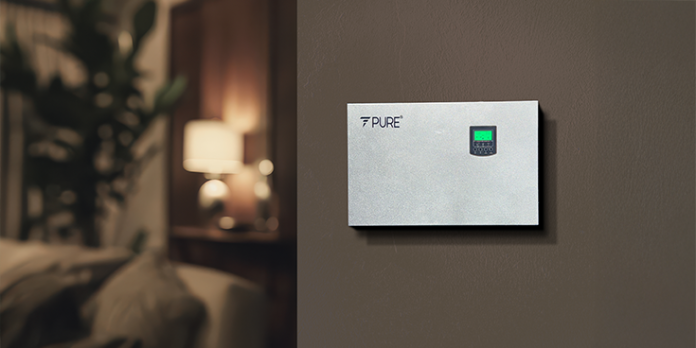
That’s where the idea of a proper power backup battery for home started to make sense, not the jugaad kind. Something reliable, something that doesn’t panic every time voltage fluctuates.
Power cuts aren’t rare anymore, just annoying
People online love to argue about whether power cuts are “less now than before.” Sure, maybe on paper. But practically One heavy rain, one transformer issue, one local repair, and boom — darkness. Twitter is full of jokes like “electricity went on a tea break again.” Funny, but also painfully accurate.
What most people don’t realize is that even short outages mess with appliances. Routers restart, refrigerators lose cooling cycles, and work-from-home folks suddenly look like liars in Zoom meetings. A decent backup isn’t about luxury anymore; it’s damage control.
Batteries aren’t what they used to be, thankfully
This is where things get interesting. Older lead-acid batteries were bulky, smelled weird, needed constant topping up, and died quietly after a couple of years. Newer battery tech, especially lithium-based systems, feels like the smartphone era finally reached power backup.
A solid setup today is quieter, cleaner, and honestly much smarter. Some even come with apps. I laughed when I first heard that — an app for my battery? But then you realize you can actually track usage, charging cycles, and backup time. That’s oddly satisfying.
The “bigger battery is better” myth
I used to think more capacity automatically meant better. Turns out, not really. It’s like buying a huge water tank when your pipe flow is terrible. You need balance.
Most homes don’t need to run everything during a power cut. Lights, fans, Wi-Fi, maybe TV — that’s it. The smart approach is matching your actual usage with the right battery size. Lesser-known fact: many households overbuy battery capacity and underuse it, which actually degrades batteries faster.
Backup batteries save money, just not in the obvious way
People always ask, “Is it worth the cost?” Short answer: yes, but not instantly. It’s not like a discount coupon. It’s more like buying insurance and then realizing your fridge didn’t die after 3 voltage shocks.
One niche stat I read somewhere said voltage fluctuations contribute to almost 30% of premature appliance failures in Indian homes. That’s wild. A stable power backup battery smooths out those fluctuations. So while you don’t see money coming back, you definitely see fewer repair bills.
Solar battery
There’s this growing crowd on Instagram reels showing off rooftop solar setups. But what they don’t always explain is the battery side of things. Solar without storage is like cooking without plates. You generate power, but if the grid is down, you still sit in the dark.
Pairing solar with a setup makes the system actually useful. Especially during daytime cuts, which are surprisingly common now. It’s also a weirdly satisfying feeling knowing your fan is running on sunlight stored from earlier. Feels futuristic, even if you’re just lying on the sofa.
Maintenance is boring, but important
I’ll admit, I ignored maintenance for months. No checks, no monitoring. Then one day, backup time dropped drastically. Panic. Turns out batteries need basic care, even the smart ones. Firmware updates, charge cycle optimization, ventilation — boring stuff, but necessary.
Online forums are full of people blaming brands when half the issue is neglect. Batteries aren’t magic boxes. Treat them decently and they last way longer than people expect.
Noise matters more than you think
This is underrated. Old inverter setups hum, click, beep randomly at night. Newer battery systems? Almost silent. When you live in a small apartment, that silence is gold.
There’s even a Reddit thread where people complain more about inverter noise than backup duration. Once you notice it, you can’t un-notice it.
Final thought, not really a conclusion
If you’d asked me two years ago whether a dedicated power backup battery was necessary, I’d probably say no. Now? I’d put it right up there with Wi-Fi and clean water. Especially with remote work, online classes, and homes packed with electronics.
A good power backup battery for home isn’t about surviving blackouts heroically. It’s about not even noticing them. And honestly, that’s the best kind of backup — the one you forget exists until you really need it.
