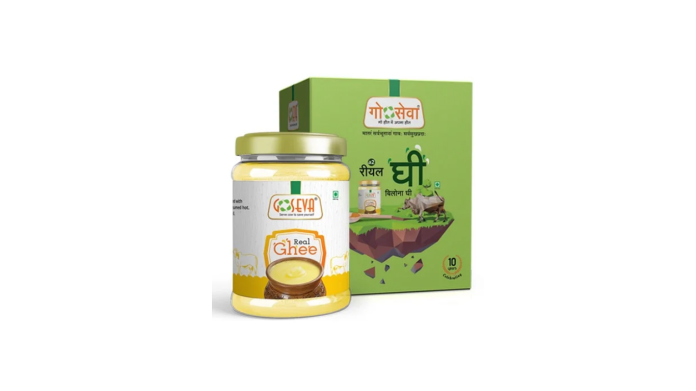
Cow ghee is basically clarified butter made from cow’s milk. You heat butter so that water evaporates, milk solids separate, and you’re left with pure fat + flavour. Because the milk is from cows, not buffalo or other animals, many people believe there’s a distinct taste, aroma, and set of health benefits. A jar like this one: Cow Ghee often claims that it’s made traditionally, which matters because method affects flavour, nutrient retention, smell, everything.
Taste, Aroma & Cooking Vibe
When you open good cow ghee, there’s this warm, nutty smell. The colour tends to be golden, richer. Cooking with it — making tadka, finishing a curry, roasting, or even just melting a little on rotis — gives a loving touch to your food. I remember swapping some oil or regular butter with cow ghee once, and even that small change made dinner feel more “homey”, more satisfying. There’s something almost nostalgic in its aroma.
Health Whispers: What Seems Likely
People often talk about cow ghee helping digestion. One reason is that since the milk solids are removed, the lactose & proteins that sometimes upset stomachs are much less present. The fat-soluble vitamins in ghee are real, and those help with immunity, skin health, vision, bone strength. Ghee is also stable under heat because of its high smoke point, so it doesn’t break down into nasty compounds as quickly when you cook at higher temperatures. Folks also mention butyric acid, which helps the gut lining, reduces inflammation.
Modern reviews and Ayurveda sources tend to agree that cow ghee has more mentions of overall nourishment, rejuvenation, gut health than many other fats. It’s not perfect, but many think it tilts more on the “beneficial” side when used wisely.
What to Watch Out For
Even though cow ghee has many perks, it’s still fat. A lot of saturated fat. If your overall diet is already heavy in fats, eating too much can stress cholesterol or heart health in some individuals. Also, “cow ghee” doesn’t always guarantee high quality. Depending on how cows are fed, how clean milking is, how gently ghee is processed (heat, time, storage), a lot of the aroma, nutrients, and flavour can be lost. Low-cost ghee often cuts corners.
Also, people sometimes over-promise wellness effects. “It cures X, does Y” — many claims are anecdotal or traditional, less proven in rigorous scientific trials yet. So, healthy dose of skepticism helps.
My Experience & Whether It’s Worth Trying
I tried using a good cow ghee jar (like the one in your link) for a few weeks, replacing some butter or oil. For my meals it meant richer aroma, food felt more satisfying. After lunch I didn’t feel as heavy, especially when I used it sparingly. Also, I liked that I didn’t need much; even a teaspoon added noticeable flavor lift. Yes, cost is higher, so I didn’t use it everywhere—special dishes, finishing touches. But it made those meals feel better.
Should You Use It?
If you cook, enjoy flavour, want something more wholesome in your kitchen, then yes — trying cow ghee is pretty worthwhile. If you can afford good quality, use it in places where flavour and aroma matter. Don’t dump it on everything — moderation keeps the benefits without pushing risks. And always check how the product is made (if it claims traditional, good breed of cows, good processing).
