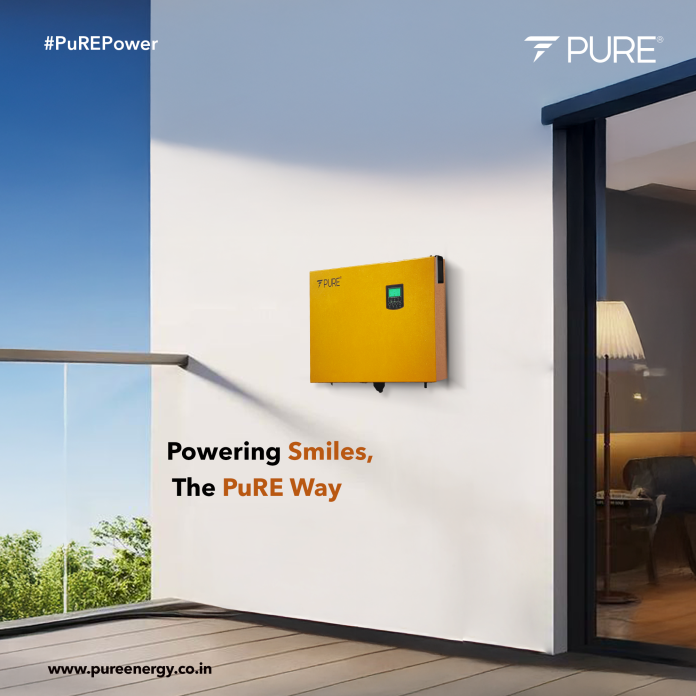
Ever been in the middle of a Zoom call, trying to impress your boss, and suddenly poof—the lights go out? Yeah, been there. Or worse, your fridge decides to take a break right when you stocked up on groceries for the week. That’s exactly why a power backup battery for home isn’t just some fancy gadget; it’s a lifesaver.
Life Without a Backup Battery Is Like Playing Russian Roulette
Okay, maybe that’s dramatic, but seriously, thinking you can live without a home backup these days is kind of risky. Power cuts don’t care if you’ve got plans, deadlines, or Netflix queued up. In many cities, load-shedding is still a thing, and even if your area claims it’s “rare,” Murphy’s law kicks in exactly when you least expect it.
A few years back, my neighborhood had a blackout for nearly six hours. I thought it’d be fun at first—candles, board games, all that romanticized “off-the-grid” stuff. But then my laptop died mid-project, the Wi-Fi went kaput, and my fridge began sounding like a dying walrus. That day I realized, power backup isn’t just convenience; it’s sanity.
How These Batteries Actually Work (Without Getting Too Geeky)
A power backup battery for home basically stores electricity when your main supply is running. Think of it like a giant phone battery for your house. When the lights go out, it kicks in automatically, keeping your essentials running. Some models even let you run heavy appliances like ACs and refrigerators. It’s not magic, it’s just clever engineering.
One cool thing people often miss: modern batteries don’t just work during blackouts—they also help with energy savings. Some units can store energy during off-peak hours when electricity rates are lower. Basically, your battery could pay for itself over time if you’re smart about it.
Stats That Might Surprise You
Here’s a little nugget I recently stumbled on: in India, around 70% of households in metro areas experience at least one power cut per month. And in smaller towns, that number jumps even higher. Crazy, right? It’s wild how people still risk leaving their electronics unprotected. A power backup isn’t just a splurge—it’s an insurance policy for your gadgets and sanity.
Picking the Right Battery Without Losing Your Mind
Alright, this is where most people start panicking. So many brands, models, specs… it’s like choosing a car, but slightly more confusing because, well, you’re not test-driving it daily. Here’s the simple way I think about it: figure out what you absolutely need powered during an outage—lights, fridge, Wi-Fi, AC? Then check the battery’s capacity in relation to that.
Also, be real about space. These things can be bulky. I tried cramming a big one under my desk once. Big mistake. It’s now sitting on my balcony like an oversized, expensive plant.
Online Sentiment Isn’t Always Wrong
I usually check social media chatter before dropping serious cash, and surprisingly, power backup batteries for home have a ton of honest reviews. People love sharing blackout horror stories, and it’s oddly comforting to know you’re not the only one panicking when the lights go off. Reddit threads are especially dramatic—imagine a bunch of people arguing whether a 2KVA or 3KVA unit is worth it while their ACs are melting in the heat.
A Small Investment for Big Peace of Mind
Look, I’m not saying this will turn your house into a tech paradise, but having a power backup battery for home is like carrying an umbrella in monsoon season. You hope you don’t need it every day, but when that rain hits, you’ll be the only one not drenched and grumpy. Honestly, for the cost of a few nights of takeout or a couple of weekend trips, you can get a system that keeps your house running smoothly even when the grid fails.
