In the world of grooming, oils play a significant role—whether it’s to maintain a healthy beard or nourish the scalp and hair. However, despite some similarities, beard oil and regular hair oil are formulated with very different goals in mind. Using them interchangeably might seem harmless, but each has its own purpose, texture, and benefits tailored to specific needs.
If you’ve ever wondered whether you can use your regular hair oil on your beard or vice versa, this blog will help you understand the key differences between the two and why choosing the right one matters for effective grooming and care.
Purpose and Function
The most obvious distinction between the two lies in their primary purpose. Beard oil is designed specifically for facial hair and the skin underneath. Its main goal is to soften the beard, prevent itchiness, and keep the skin hydrated without clogging pores.
In contrast, hair oil is typically made to nourish the scalp, promote hair growth, reduce dandruff, and strengthen strands from root to tip. While it can also soften hair, its heavier composition is more suited to the scalp than to delicate facial skin.
Formulation Differences
Beard oils are usually lightweight and fast-absorbing. They contain a balanced blend of carrier oils like jojoba, argan, and sweet almond oil, which mimic the skin’s natural sebum. These oils not only moisturise the beard but also keep the skin underneath healthy and irritation-free.
On the other hand, most hair oils tend to have a thicker consistency and are often enriched with ingredients like coconut oil, castor oil, and amla or bhringraj extracts. These oils are more potent and work best when massaged into the scalp and left on for some time before washing out.
Targeted Application
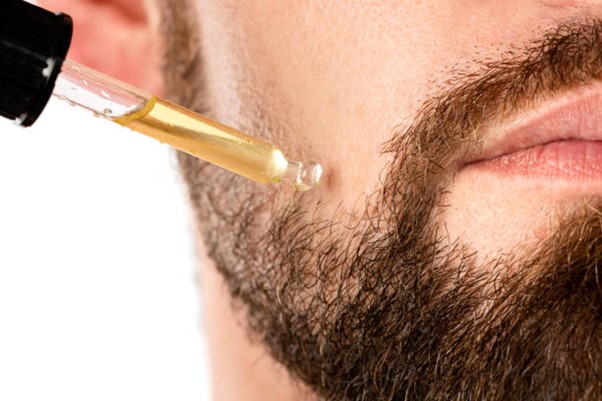
The application method also varies. Beard oil is usually applied in small amounts—just a few drops warmed between the palms and massaged into the beard and skin. It’s generally a leave-in product that doesn’t require rinsing and works well as part of a daily grooming routine.
Conversely, hair oil is often applied more generously to the scalp and hair, left on for several hours or overnight, and washed off with shampoo. Applying hair oil directly to the face or beard might lead to clogged pores or an overly greasy feel.
Scent and Absorption
Beard oils often come with subtle, masculine fragrances made from essential oils like sandalwood, cedarwood, or bergamot. These scents are usually mild and intended for close-range freshness. Their fast-absorbing nature ensures your beard feels soft, not oily.
Hair oils, however, may have stronger herbal scents or none at all, depending on their formulation. Their slower absorption is acceptable for scalp treatments but may feel uncomfortable if used on the face.
Skin Compatibility
Facial skin is more sensitive compared to the scalp, and using the wrong product can lead to breakouts or irritation. That’s why beard oil is carefully formulated to suit facial skin, avoiding pore-clogging ingredients. Hair oil, though excellent for scalp nourishment, may be too heavy and rich for the skin under your beard.
Final Thoughts
While both beard oil and hair oil serve the purpose of hydration and nourishment, their targeted benefits, formulations, and applications make them uniquely suited to their respective areas. Using the right oil for the right purpose not only delivers better results but also ensures your grooming routine supports the health of both your hair and skin. So next time you’re shopping for grooming essentials, be sure to choose products tailored for your specific needs—your beard and scalp will thank you.
