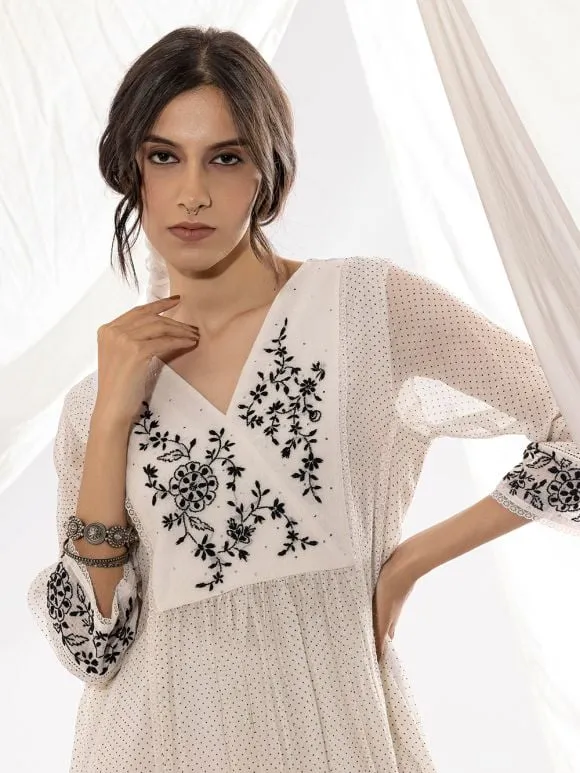
In India, fashion is a dynamic representation of heritage, craftsmanship, and culture. Chikankari is one of the many beautiful traditions that are weaved into Indian textiles. This ancient needlework method has endured because it originated in the royal capital of Lucknow. The Chikankari kurti is one of its most beloved current incarnations; it perfectly combines traditional embroidery with modern style. The Chikankari kurti is more than simply a piece of apparel for women who want a subtle, sophisticated look; it’s a tradition.
The History and Development of Chikankari
It is believed that chikankari, which translates to “embroidery” in Persian, was brought to India during the Mughal Empire. Its modest origins may predate the Mughal Empire, with roots in Persian influences and folk crafts, however some historians attribute its popularisation to Empress Noor Jahan at the court of Jahangir.
The delicate technique, which was traditionally done with white thread on cotton or muslin, required care and accuracy. Even while the spirit is still present, contemporary Chikankari is far more experimental. These days, coloured threads, various textiles, and embellishments like beads and sequins go well with the traditional white-on-white look.
2. Chikankari Kurti Anatomy
Beyond just a piece of clothing, a Chikankari kurti is more. Each hand-stitched motif on the canvas has its own name and personality. Certain stitches, like these, define the craftsmanship:
Bakhiya (labour in shadow)
Phanda (knot)
Keel Kangan (motifs that resemble rings)
Jaali (impact of netting)
Because each piece is handmade, it frequently takes days or even weeks to finish. The finished item is breathable, light, and has a distinctive design.
3. The Remaining Popularity of Chikankari Kurtis: Elegance in Simplicity
Chikankari has a more elegant, subtle appeal than intricate stitching or adorned patterns. It’s ideal for people who value understated elegance above gaudy trends.
Adaptability
Chikankari kurtis serve a wide range of consumers, including senior women, homemakers, college students, and working professionals. They can be dressed up for special events, worn casually, or fashioned formally.
Cosiness
These airy kurtis, which are primarily made of cotton, georgette, or modal fabrics, are perfect for India’s tropical environment.
Sustainability
Chikankari is a handicraft that promotes slow fashion. Purchasing these kurtis lowers the carbon impact associated with mass-produced fast fashion and promotes handmade skills.
4. Modern Chikankari Kurtis Fabric Variants Various fabric options are available for Chikankari kurtis, making them appropriate for a range of seasons and events.
Cotton: Perfect for everyday wear and the summer. Breathable, light, and soft.
Georgette: Ideal for semi-formal to celebratory events, this fabric is flowing and slightly translucent.
Soft and opulent, muslin is frequently used in expensive clothing.
Modal and Rayon: An excellent combination of drape and durability for workwear.
For weddings or other occasions where a bit extra glitz is preferred, silk and chiffon are used.
Each fabric improves the needlework in a different way; georgette allows for a beautiful fall, while cotton highlights the threadwork.
5. Chikankari Kurtis Types
Popular Chikankari kurti styles include the following:
Kurti with a Straight Cut
most widely used and adaptable. goes nicely with palazzos, pants, or leggings.
Kurti Anarkali
a majestic touch with a flared silhouette. Perfect for festivities or joyous occasions.
Kurti A-Line
gives off a modern, flowing vibe. stylish and cosy for everyday wear.
Kurti, short
Ideal for wearing with skirts or jeans; college students frequently wear them for informal occasions.
The Angrakha Style
a wrap-style design that gives traditional Chikankari a distinctive Indo-western touch.
Kurti with a front slit
These kurtis, which combine ethnic and contemporary styles, look fantastic for an evening or party.
6. Chikankari Kurtis Style
Depending on the event, there are several ways to style a Chikankari kurti:
A laid-back day out
Wear denim or cigarette pants with a cotton Chikankari kurti.
Wear simple jewellery, such as a silver bracelet or studs.
Shoes: Kolhapuri flats or chappals.
Office Appearance
Select a subtle-hued, straight-cut kurti.
Pair with dressy pants or palazzos.
Wear modest accessories, such a watch and tiny earrings.
Festive Event
Choose a silk or georgette Chikankari Anarkali.
Wear them with embroidered juttis and a matching dupatta.
For a more conventional look, add a bindi or bold earrings.
Boho Chic Mix with a sling purse, long oxidised jewellery, and torn pants.
Try using vibrant Chikankari pieces to create a feeling of youth.
7. Seasonal Styling Summer: You stay cool in pink and white light cotton kurtis.
Monsoon: To prevent mud stains, choose short kurtis made of rayon or modal.
Winter: Wear boots or closed-toe shoes and layer with heavy coats or woollen shawls.
8. Chikankari: A Source of Income Beyond Fashion
Purchasing a Chikankari kurti supports a centuries-old network of artists in addition to being a fashion statement. At least three hands handle each kurti:
designers who create the motif’s sketches.
The pattern is traced onto the fabric by block printers.
thread by thread, the embroidery artists make the piece come to life.
In Uttar Pradesh’s rural and semi-urban areas, hundreds of artisans—mostly women—make a living from this labor-intensive, tedious technique in a world of quick fashion.
9. Taking Care of Your Kurti Chikankari
Some care instructions are crucial since these are delicate:
The first few times, always wash your hands.
Use a moderate detergent and cold water.
Don’t clean or wring the embroidery.
On the other side, iron.
Particularly for silk or chiffon varieties, store in bags made of breathable fabric.
10. Purchase Advice: The best way to choose a Chikankari Kurti is to look for natural fabrics, which improve comfort and embroidered visibility.
Quality of Embroidery: Hand-stitched and slightly uneven, genuine Chikankari is not like machine work, which is frequently overly consistent.
Colour Combination: While pastel or contrasting hues can look great, white-on-white is a timeless style.
Occasion: Silk or modal for festive occasions, cotton for daily wear, and georgette for semi-formal attire.
Length & Fit: Select according on your body type and height; most silhouettes look good in straight fits.
11. 2025 Chikankari Trends
Modern fashion is fusing Chikankari with modern design, yet traditional motifs continue to be timeless. Current patterns consist of:
Chikankari Co-ord Sets: Kurtis that go well with skirts or pants.
Fusion clothing includes tunics, crop tops, and chikankari jackets.
Monotone Looks: Powder blue, mint green, and lavender are single-color sets.
Long kurtis worn over shararas or flared skirts are examples of layered pieces.
Bell sleeves and puff sleeves with intricate embroidery are examples of statement sleeves.
12. Conclusion: A Narrative Kurti
Chikankari kurtis are more than just exquisite clothing; they are symbols of perseverance, tradition, and handcrafted artistry. They enable contemporary ladies to proudly and gracefully carry a piece of Indian past. These kurtis provide unmatched charm whether they are worn to work, on a laid-back day out, or at a joyful event.
The hand-embroidered Chikankari kurti serves as a reminder of the value of tradition, the elegance of simplicity, and the beauty in details in an era of digital prints and machine-made clothing. Wearing one is like wearing a tale that has been passed down through the centuries, rather than just a kurti.
