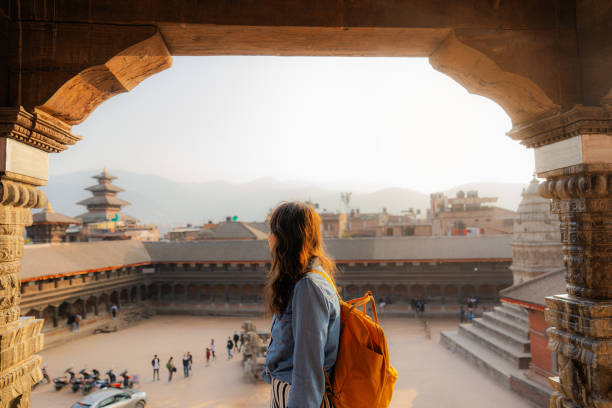
Travellers frequently refer to Nepal, a little Himalayan country tucked between China and India, as a paradise. Nepal has much to offer all kinds of tourists, whether they want to climb under the shadow of Mount Everest, experience spiritual tranquilly, or explore ancient temples and vibrant marketplaces. Nepal’s terrain, which includes subtropical plains and snow-capped peaks, is as diverse as its tour programmes. This article will provide you a thorough overview of what to look for in a Nepal tour package, where to go, and how to make the most of your trip.
1. Overview of Nepal
The Himalayas, which include Mount Everest, the highest mountain in the world, are found in Nepal, which is well known around the world. Nepal, however, is a complex tapestry of culture, heritage, ecology, and spirituality that extends beyond the snow-capped peaks. A cultural treasure trove, Kathmandu, the country’s capital, is home to historic temples, lively bazaars, and lively neighbourhoods.
From luxury travellers to backpackers, from religious pilgrims to extreme adventurers, Nepal offers a wide range of tourism experiences. You can effectively and reasonably discover Nepal’s diversity with a carefully planned vacation package.
2. Why Pick a Tour Package to Nepal?
Tour packages make travelling easier by combining lodging, food, transportation, and guided tours. Additionally, they provide:
Cost-effectiveness: Compared to individual reservations, bundle pricing frequently offers lower prices.
Local knowledge: Local guides improve cultural awareness.
Travelling without stress: You don’t have to figure out the routes or logistics yourself.
Personalised experiences: From exhilarating trekking expeditions to yoga retreats.
3. The Ideal Time to Go to Nepal
What you wish to experience will determine the best time to visit:
Spring (March–May): Clear skies and blooming rhododendrons make for ideal trekking conditions.
Autumn (September–November): This is the best time of year because of the freshness after the monsoon and the unobstructed sights.
Winter (December–February): chilly but perfect for cultural exploration and low-altitude tours.
Monsoon (June–August): Great for less crowded spiritual and city trips, but not for trekking.
4. Key Locations Covered by Tour Packages
a. Swayambhunath Stupa (Monkey Temple) in the Kathmandu Valley
Temple of Pashupatinath
The Boudhanath Stupa
Durbar Squares in Bhaktapur and Patan
b. Pokhara Beautiful mountain views, waterfalls, caves, and serene lakes.
Adventure sports such as ultralight flying, yachting, and paragliding.
c. Wildlife sightings, including as Bengal tigers and rhinos, and jungle safaris in Chitwan National Park.
d. Lumbini, a UNESCO World Heritage Site and the birthplace of Lord Buddha.
f. The Annapurna and Everest Regions
Everest Base Camp and the Annapurna Circuit are must-see destinations for hikers.
5. Nepal Tour Package Types
a. Tours of Culture
Pay attention to local festivals, customs, architecture, and heritage places.
c. Tours of Adventure
Incorporate mountain biking, bungee jumping, rafting, and trekking.
c. Tours of pilgrimages
The main attractions include Buddhist monasteries, Pashupatinath, and Muktinath.
d. Luxurious tours that include private guides, five-star lodging, and Everest helicopter trips.
e. Low-cost and Backpacker Tours Flexible itineraries designed for young tourists, hostels, and group travel.
6. Lodging Options: Himalayan Lodges and Hostels
Accommodations in Nepal differ by area and price range:
Pokhara and Kathmandu both have opulent resorts.
hotels in the middle category that provide convenience and comfort.
affordable guesthouses with the necessities.
In hiking areas, teahouses offer trekkers food and shelter.
A lot of trip packages let you select the type of lodging you want.
7. Trekking Experiences: Nepal’s Lifeblood
The main activity in Nepal is frequently trekking:
The 12- to 14-day Everest Base Camp Trek is a famous but difficult trek.
The Annapurna Circuit features ethnic settlements and a variety of vistas.
Trekking the Langtang Valley: Perfect for quick excursions with breathtaking vistas.
Beginners looking for views of the Himalayan sunrise would love the Poon Hill Trek.
Permits, porters, guides, and trailside lodging are all included in tour packages.
8. Gastronomic Adventures A significant component of the experience is the included food:
Dal Bhat is a classic Nepali dish made of rice and lentils that is frequently served with pickles and vegetables.
Momos are meat or vegetable-filled Nepali dumplings.
Newari food: Sample traditional snacks and hot buffalo meat.
You can also include culinary workshops and street food tours in your package.
9. Nepal Tour Packages with Transportation Options
Domestic Flights: To far-off places like Jomsom or Lukla.
Private automobiles: Equipped with air conditioning and skilled operators.
Tourist buses: An affordable option for travelling between cities.
Jeep safaris: Found in Bardia and Chitwan national parks.
For efficiency and convenience, packages frequently combine several means of transportation.
10. Retreats for Spiritual and Wellness
Wellness options are now included in many tour packages:
Centres for yoga and meditation, particularly in Lumbini and Pokhara.
Monastic Stays: Experience Buddhist teachings while living as a monk.
Ayurvedic massages and spas are available in Pokhara besides the lake and in Kathmandu.
These retreats are perfect for mental clarity and spiritual renewal.
11. Adventure Sports Outside of Trekking: White-water rafting on the Bhote Koshi or Trishuli Rivers.
Paragliding over the mountains and lakes of Pokhara.
jumping from a bungee from one of the tallest suspension bridges in the world.
Mountain biking, canyoning, and ziplining.
These can be included in your tour package as optional activities.
12. Nepal’s Distinct Festivals and Culture
Hundreds of festivals are observed in Nepal:
The two largest Hindu holidays are Dashain and Tihar.
Buddha Jayanti: Honours the birth of the Buddha.
Holi and Indra Jatra are vibrant cultural events.
Immersion in culture is frequently included in lengthier tour packages or those that coincide with festivals.
13. Travel and Visa Requirements
Most nationalities are eligible for a visa upon arrival.
Documentation assistance is typically provided by tour operators.
It is very advised to get travel insurance, particularly when trekking.
Restricted areas such as Upper Mustang or Manaslu require permits.
14. Traveller Safety Advice
Reputable tour companies should be used.
Consume purified or bottled water.
Employ qualified porters and trekking guides.
Keep an eye on your health at high elevations and make sure you’re acclimated.
Keep diplomatic details and emergency contacts close to hand.
Typically, tour packages include first aid and mountain safety-trained guides.
15. Responsible travel and sustainable tourism are essential to Nepal’s economy. Encourage local communities by:
selecting restaurants and lodgings that are owned locally.
purchasing fair-trade products and handcrafted items.
reducing plastic waste and honouring cultural customs.
Nowadays, a lot of tour companies give to regional charities and provide eco-friendly vacation options.
16. Nepal Tour Package Prices
Season, duration, and inclusions all affect price:
Budget tours: A five-day package starts at $300.
Mid-range: between $600 and $1000 for a 7–10 day adventure and cultural blend.
Luxury tours: These can cost more than $2000, particularly if they include luxury hotels or helicopter tours.
Individual expenses are frequently decreased by group deals.
17. Tailoring Your Tour Package to Nepal
Customisation is permitted by the majority of tour companies. You could:
Spend more time in a city of your choice.
Trekking can be combined with wildlife or cultural activities.
Join group departures or choose for personalised tours.
Choose trips that focus on a particular interest, such as spiritual healing, photography, or bird watching.
18. Scheduling Your Tour of Nepal
Make reservations through respectable, well-regarded companies. Seek out:
transparent itinerary and cost.
Tour leaders and certified guides.
Unambiguous refund and cancellation procedures.
help around-the-clock, particularly for hikes and distant travel.
A reservation made two to three months in advance guarantees better availability and cost.
19. Concluding Remarks: The Significance of Nepal as Your Upcoming Travel Destination
There is more to Nepal than mountains. There is something for everyone in this intensely spiritual and culturally immersive location. Nepal strikes your soul, whether you’re trekking through isolated Buddhist villages or enjoying the Himalayas from a lakeside café in Pokhara. You can easily, safely, and with lifelong memories see Nepal’s attractions with a well-designed tour package.
